ARRIVAL is the perfect double feature with HAMNET for a variety of reasons. ARRIVAL was, and I think will continue to be, the film I think of when I hear “On the Nature of Daylight,” even though it wielded itself well against my tear ducts in HAMNET. Its role as a bookend to Louise and Hannah’s story is the perfect use of Richter’s masterpiece.
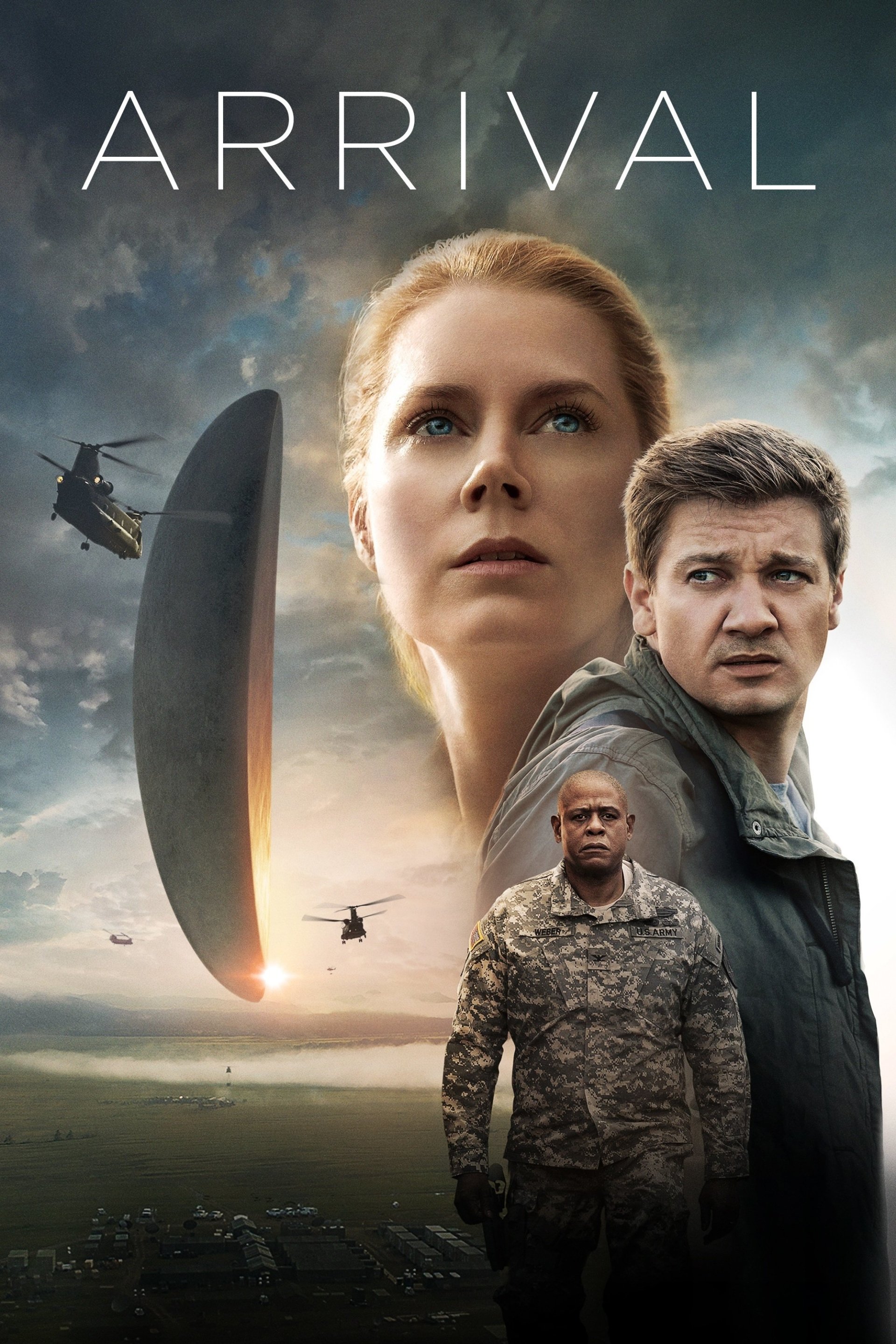
ARRIVAL and HAMNET share the death of a child and both ask the same question about our mortality. ARRIVAL does it implicitly, with Ian’s absence in Hannah’s life and Louise’s decision to move forward even though she knows Hannah’s fate. Villeneuve asks should this woman fall in love, have a child, let that child live and to suffer, to be or not to be? HAMNET asks this same question, literally, with a smack in the face and William Shakespeare’s tongue on a bridge over water.
But what strikes me the most about these two films as companions to each other is their gaze. Villeneuve can’t help but look upward to force us to look inward, and Zhao continues to move our eyes down, to the trees and the soil and the forests, begging us to reckon with this mortal coil.
 Gleam & Resonate